
Each season brings its share of proposals on the runways, but not all make it to the wardrobes. Women’s fashion swings between spectacular trends seen on the catwalk and pieces actually adopted by shoppers. Understanding this gap helps in better choosing what makes up a coherent wardrobe for the months to come.
Runway Trend and Worn Piece: A Revealing Gap
Reports from professional buyers confirm: the proposals deemed commercially accessible concentrate the majority of orders. The most radical silhouettes seen on the runways (extreme micro-skirts, full leather, complex layering) generate media visibility, but their adoption rate remains low in mainstream ready-to-wear.
This discrepancy directly influences wardrobe choices. The pieces that last through several seasons share common characteristics: adaptable cuts, coordinating color palettes, materials compatible with easy maintenance.
| Criterion | Runway Trend | Actually Purchased Piece |
|---|---|---|
| Silhouette | Ultra-snug waist, dramatic volumes | Soft cuts, fitted without constraint |
| Materials | Leather, vinyl, technical fabrics | Linen, cotton, lightweight knits |
| Colors | Bright red, optical white, total black | Neutral tones, beige, powdery colors |
| Stylistic Lifespan | One season | Several seasons |
| Price Accessibility | Luxury and designer segment | Mid-range and second-hand |
This table summarizes a simple principle: the most worn pieces are rarely the most photographed. Building a wardrobe based on this grid helps avoid impulsive purchases linked to the novelty effect.
To explore these intermediate pieces between strong trends and timeless basics, Mlle E’s fashion page brings together selections that illustrate this area well.
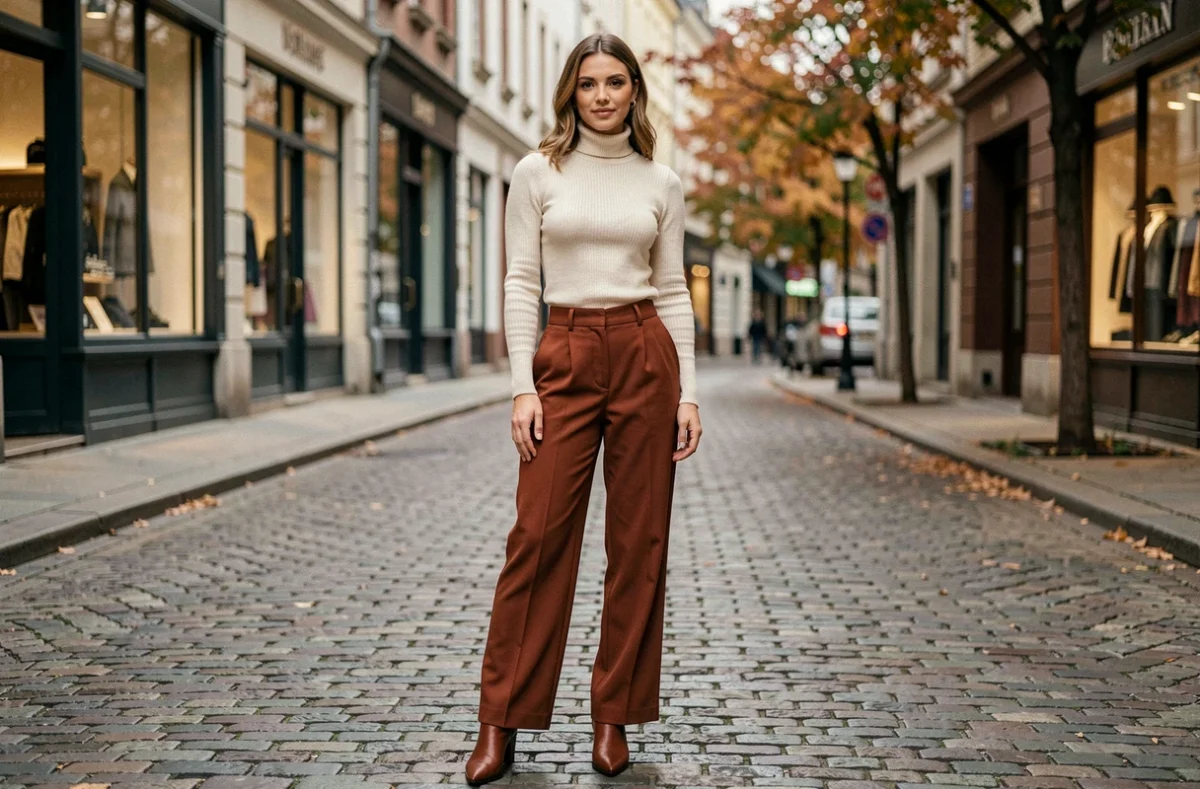
Women’s Fashion and Second-Hand: A Professionally Developed Circuit
Second-hand is no longer limited to a one-off gesture between individuals. The second-hand textile market is now organized as a structured commercial activity, with specialized platforms, quality controls, and return policies comparable to those of new items.
This professionalization changes the notion of trend. A piece spotted on the runway can appear on the resale market a few months later, at a fraction of the original price. Shoppers following women’s fashion trends thus have an additional channel to acquire seasonal clothing without going through the traditional circuit.
What This Changes for the Wardrobe
The purchasing reflex is evolving. Before investing in a new piece, checking its availability in second-hand becomes a common gesture. The most sought-after categories in second-hand remain structured jackets, bags, and denim pieces, three product families whose physical durability justifies resale.
Resale also influences initial purchasing choices: a piece whose resale value remains stable (neutral color, identifiable brand, durable material) represents a better investment than a very trendy but ephemeral piece.
Textile Regulation in France: What Changes for Shoppers
The French law targeting ultra-fast fashion practices, enacted in July 2026, introduces mechanisms that directly affect the available supply. The implementation framework came into effect on September 1, 2026.
The law provides for penalties related to market practices and incentives for repair. Information obligations and advertising restrictions will follow starting in 2027. For consumers, this means a gradual change in the online offering: some very fast-moving brands will need to adapt their model or reduce their advertising visibility in the French market.
European Ban on Destroying Unsold Goods
At the European level, a rule now limits the destruction of unsold stock. Medium-sized companies will be affected starting in 2030. This rule encourages reuse and repair, which mechanically feeds the second-hand and end-of-line circuit.
These two regulatory frameworks push in the same direction: less waste, more pieces put back into circulation. Brands that anticipate these constraints are already offering more limited collections, with materials designed to last.
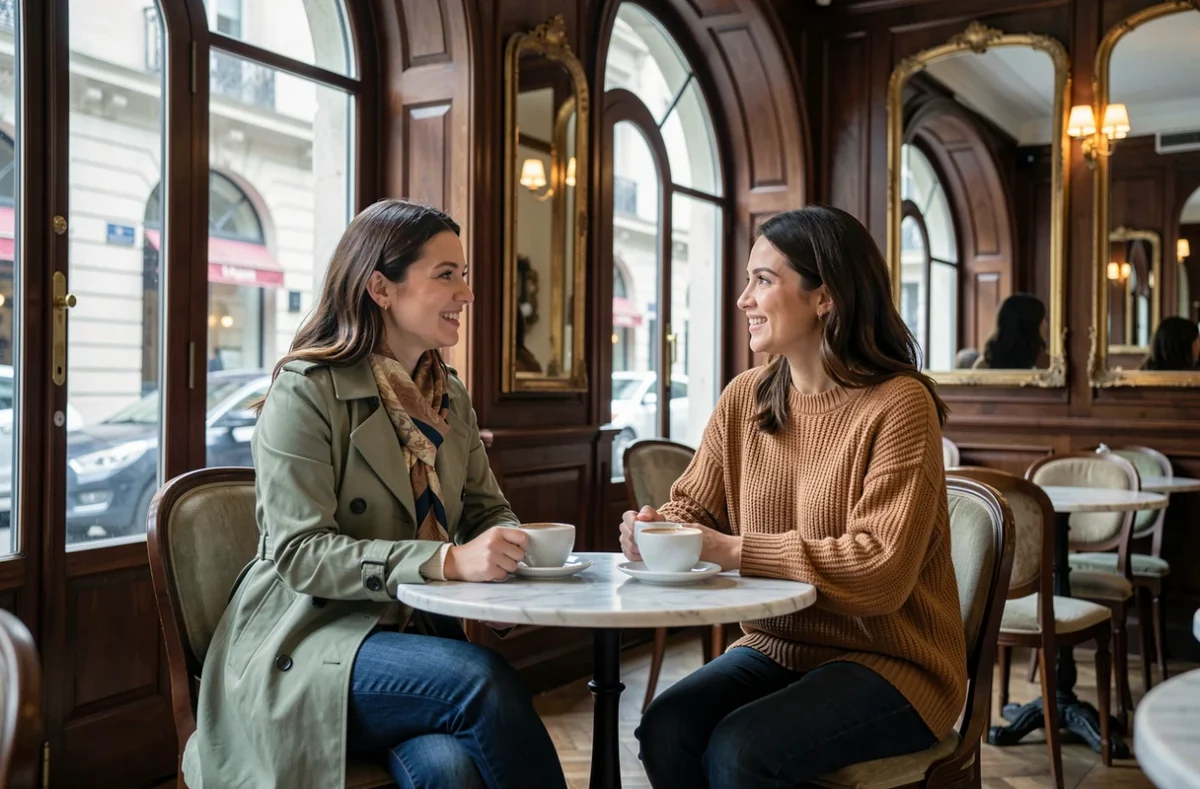
Building a Seasonal Wardrobe: The Criteria That Matter
Rather than a list of pieces to buy, a few selection criteria can effectively filter the available offerings, regardless of budget.
- Compatibility between pieces: a new acquisition should pair with at least three items already in the wardrobe, or it risks remaining unused
- Material durability: natural fibers (linen, thick cotton, wool) withstand repeated washes better than low-quality synthetic blends, which affects the real cost per use
- Relative color neutrality: powdery colors, beige, and faded blue transcend seasons without looking dated, unlike saturated hues that strongly mark a period
- Resale potential: a resalable piece retains a residual value that reduces its net cost, a criterion increasingly integrated into purchasing decisions
These filters apply to both accessories and clothing. A bag made of natural materials (raffia, wicker, braided cotton) remains usable over several summers, while a colorful plastic model loses its appeal by the next season.
Sustainable style is not a renunciation of trends. It is a more demanding selection among the proposals of each season, guided by criteria of longevity as much as aesthetics. Recent regulations, the rise of second-hand, and the persistent gap between runway and real wardrobe converge towards the same conclusion: the pieces that remain in a wardrobe are those whose cut, material, and color withstand repetition.