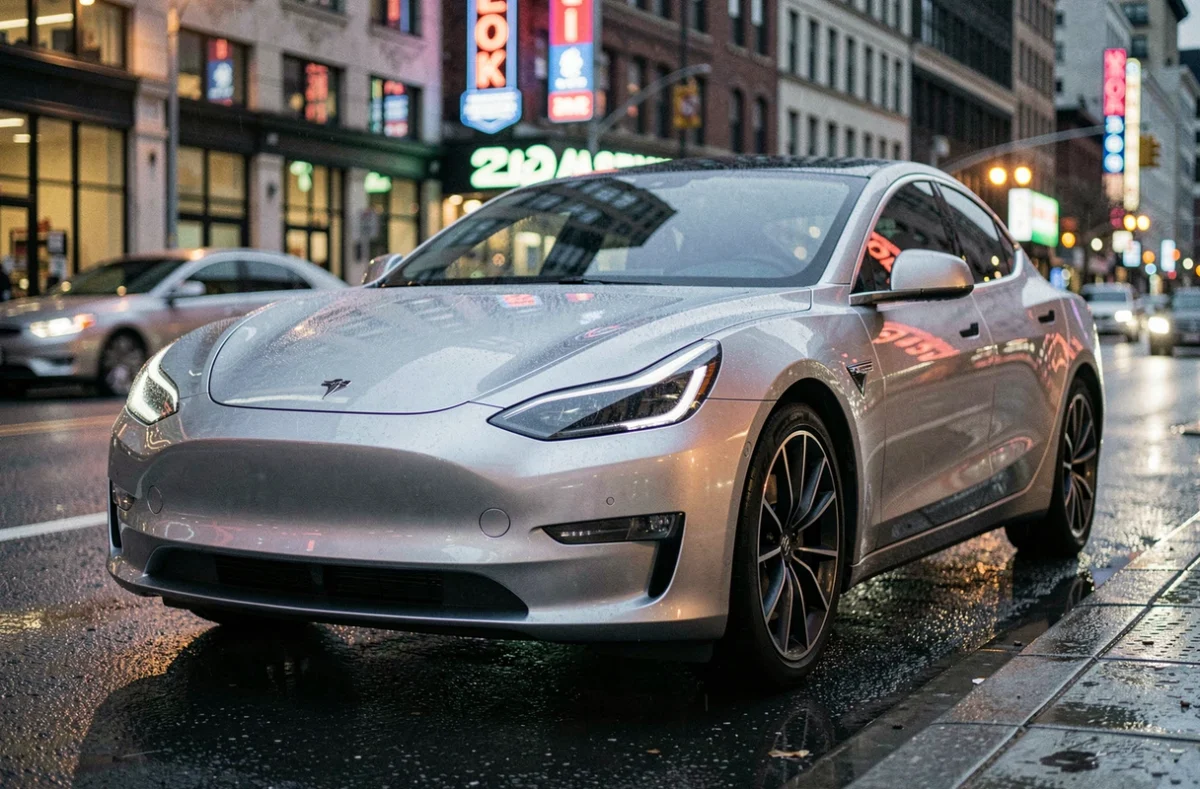
The Euro 7 regulation will apply to new types of cars and light commercial vehicles approved from 29 November 2026. The standard goes beyond exhaust emissions: it also regulates particles emitted by brakes and tyres, and sets durability thresholds for batteries in electric and plug-in hybrid vehicles. This change in the regulatory framework affects how vehicles—new and used—are assessed.
Battery durability and the resale value of an electric vehicle
Have you ever compared two used electric cars with the same mileage but very different asking prices? The difference often comes down to battery health. And that is precisely what Euro 7 brings into focus.
The regulation sets minimum thresholds for remaining battery capacity: 80% for up to five years or 100,000 km, then 72% for up to eight years or 160,000 km. These thresholds apply to electric passenger cars and plug-in hybrids. One point to bear in mind: these regulatory requirements do not automatically entitle you to a battery replacement. They are not commercial warranties.
For buyers, the impact is clear. A vehicle whose battery falls below these thresholds before the relevant time or mileage limit is reached will no longer meet the regulatory requirements, making it less attractive on the resale market. Before choosing a model, it is worth checking the manufacturer’s battery warranty policy as well as the standard.
Specialist articles such as those in Net Actu’s automotive section help you keep up with these regulatory changes over time.
Euro 7 and non-exhaust pollution: brakes, tyres and the digital passport

Until now, vehicle emissions standards have focused on gases coming out of the exhaust pipe. Euro 7 broadens the scope. Particles from braking and tyre wear are now included. This reflects a reality that has been measured for several years: even electric vehicles, which have no exhaust emissions, still produce microparticles from their brakes and tyres.
For manufacturers, this means rethinking brake-pad materials and tyre composition from the design stage. For motorists, it will eventually mean new criteria during roadworthiness tests.
An environmental passport linked to the vehicle
Euro 7 also provides for a digital environmental passport for each vehicle. This document will bring together emissions data and, for electric and plug-in hybrid models, information on battery durability. It should not be confused with the battery passport provided for under another European regulation, which covers the entire battery life cycle.
This passport could transform the used-car market. Buyers with access to a reliable battery history can negotiate with confidence. Sellers whose vehicles show strong indicators retain a compelling resale advantage.
The true cost of a vehicle: look beyond the spec sheet
Comparing two cars based only on their powertrains or technology features is like evaluating an apartment solely by its floor area. Real-world use determines the total cost of ownership far more than the list of options.
Three factors can radically change the calculation:
- How long you plan to keep the vehicle. An electric car bought for three years will not depreciate in the same way as one kept for eight years, and Euro 7’s battery durability thresholds matter most over the long term.
- Access to daily charging. Owners who charge at home during off-peak hours spend less on energy than those who rely exclusively on paid fast-charging stations. This factor has a greater impact than the difference in list price between two competing models.
- The battery’s actual health at resale. Thanks to the future Euro 7 digital passport, this factor will be verifiable. A vehicle whose battery retains a high capacity after several years will command a better resale price.
In other words, a good car purchase is measured by the cost per kilometre actually driven, not the price displayed at the dealership.

Euro 7 timeline and its impact on the vehicle fleet
The standard will first apply to new types of cars and light commercial vehicles approved from 29 November 2026. All new vehicles covered by the regulation must comply from 29 November 2027. Vehicles already on the road are not directly affected, but stricter roadworthiness test requirements could be introduced in the years that follow.
The fleet is electrifying more slowly than new-car sales. Combustion-engine vehicles still make up the vast majority of cars on the road, and their replacement rate is slowing the overall transition. This inertia explains why buying advice needs to factor in a vehicle’s actual lifespan, not just trends in the new-car market.
What this means for buyers right now
A new vehicle bought in late 2026 or early 2027 will be among the first to benefit from Euro 7 requirements for batteries and non-exhaust emissions. For used-car purchases, the environmental passport will apply only to models approved under this standard. Older vehicles will not have one, which could create a transparency gap between generations of models.
Choosing a vehicle in 2026 or 2027 means weighing up a pre-Euro 7 model, often cheaper to buy, against a compliant model that is better documented and potentially easier to resell in five or eight years. The list price tells only part of the story. Regulations, everyday use and measurable battery durability complete the picture.