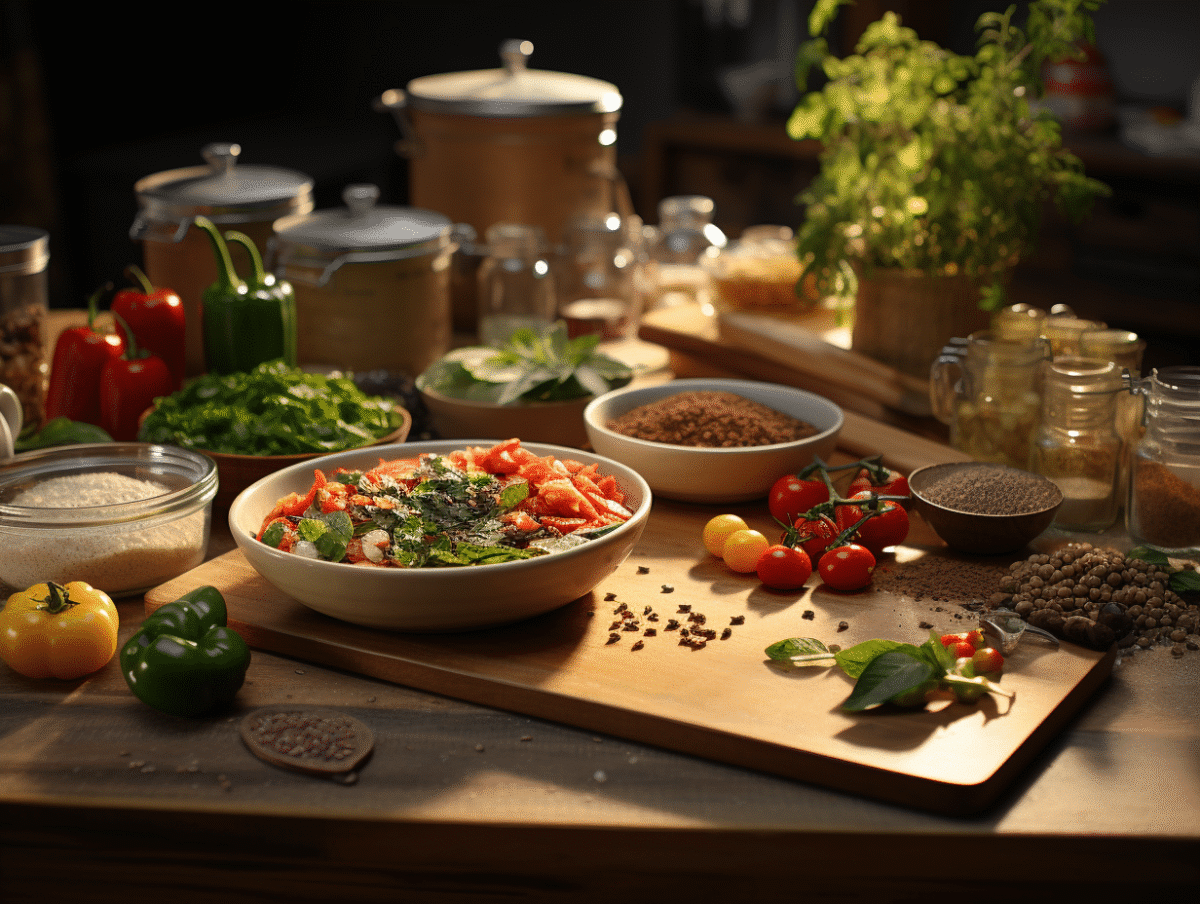
Mastering conversions in the kitchen is essential for accurately following recipes and ensuring the success of your dishes. Between cups and milliliters, ounces and grams, the differences in measurement systems can be a source of confusion. You need to know a few tips and have the right tools to adapt measurements and quantities according to your needs. Whether it’s to reduce a family recipe for a dinner for two or to adjust a European preparation to American standards, a good understanding of equivalences and conversion techniques is a real asset in the kitchen.
Mastering Measurement Conversions for Foolproof Recipes
Units of measurement in the kitchen, including liquid measurements, dry measurements, and weight measurements, form the foundation on which the accuracy of culinary preparations rests. Each ingredient, whether liquid like oil, milk, and sauces, or dry like flour, sugar, and spices, requires precise measurement for the recipe to be harmonious. Chefs often prefer weight measurements for maximum precision, especially when it comes to preparing a recipe for a large number of guests, such as a conversion example for a Pizza Margherita intended for 300 people.
The flexibility in recipe preparation is made possible through a good mastery of conversions. For example, converting milliliters to centiliters is child’s play once the equivalences are memorized: 150ml to cl simply becomes 15 cl. The consistency of culinary results depends on this ability to juggle different units of measurement and to adjust quantities according to the context.
Conversions are not limited to a simple switch from one unit to another; they involve an understanding of the densities and textures of ingredients. A cup of flour does not weigh the same as a cup of sugar due to their difference in density. The use of conversion tables becomes essential for anyone looking to ensure the fidelity of their creations to the original recipes.
Liquid measurements, often used in cooking as well as in mixology, require special attention. Liquids can be deceptive, and the transition from cups to fluid ounces or from tablespoons to milliliters can be tricky. For this, conversion charts prove to be invaluable tools, allowing you to navigate these variations with ease and ensure the quality and consistency of prepared dishes.

Essential Tools and Techniques for Culinary Precision
The conversion chart stands out as an indispensable tool for chefs and discerning amateurs to calmly grasp the multiplicity of measurement units. Precise and easy to consult, the chart allows for easy conversion of volumes in the kitchen, as well as in mixology, where rigor is essential for creating balanced cocktails. Professional catering, which requires unwavering precision, cannot do without these tools that guarantee the consistency of flavors and textures, whether converting milliliters to centiliters or cups to fluid ounces.
Beyond tools, practical strategies for conversion play a major role. They include not only experience and intuition, key assets for adjusting recipes, but also tips for effective conversion. These tips involve consistency in measurement units and investing in precision measuring instruments: digital scales for dry ingredients, measuring cups for liquids, and measuring spoons for small quantities.
Converting volumes in the kitchen requires developed experience and intuition, allowing cooks to know when it is necessary to adjust a recipe to suit the palate and the occasion. Techniques such as visual estimation or hand measuring complement conversion charts and can save a preparation in the absence of adequate tools. These skills are cultivated over time and make the difference between a correct recipe and a dish that stands out for its character and harmony.