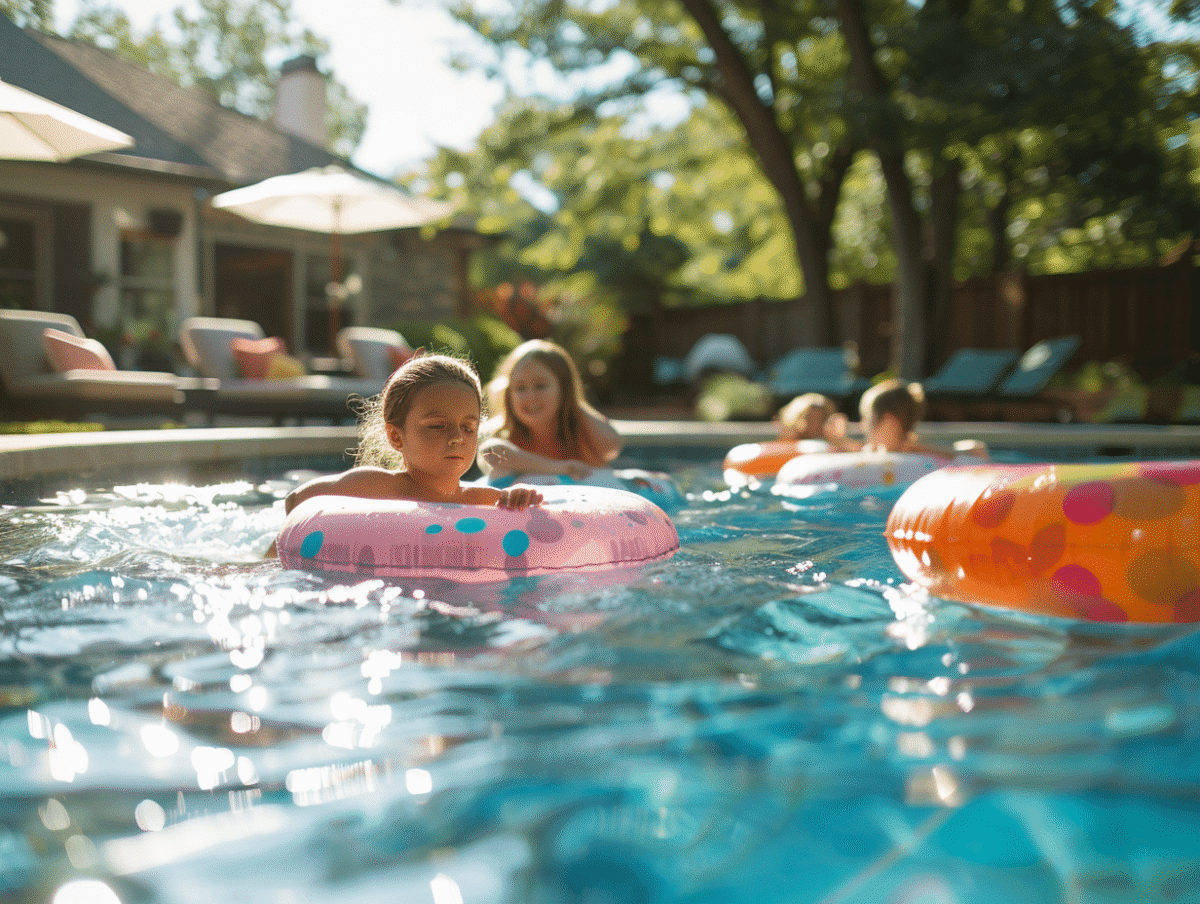
Maintaining the chemical balance of a pool is essential to ensure the safety and comfort of swimmers. Unbalanced water can cause skin and eye irritations, promote algae growth, and damage equipment. Pool owners must regularly monitor pH, chlorine levels, total alkalinity, calcium hardness, and chlorine stability to prevent these issues. Proper maintenance involves using specific chemicals, frequent testing, and adjusting levels to accommodate variations due to usage, weather conditions, and other environmental factors. Practical tips can make this task easier while optimizing the longevity and clarity of the water.
Mastering Key Parameters for Pool Water Chemical Balance
The water chemistry of your pool is not an abstract concept reserved for laboratories. On the contrary, it manifests in every corner of your basin, affecting water quality and the longevity of installations. Poor balance can lead to a cascade of problems, from swimmer discomfort to material degradation. To maintain this chemical balance, each parameter must be diligently monitored, using tools such as the Taylor Test Kit, known for its accuracy.
Pool pH is the cornerstone of this balance. Piscines Ibiza, like many experts, recommends keeping it between 7.2 and 7.4 to avoid the drawbacks of water that is too acidic or too basic. This range promotes optimal chlorine efficiency while protecting swimmers’ skin and eyes. A well-adjusted pH is also a guarantee of chlorine stability, preventing its rapid decomposition under UV rays.
Chlorine levels, expressed in PPM for pools (parts per million), is another vital indicator. It must be sufficient to eradicate bacteria and algae, but without exceeding a threshold that would make the water irritating and corrosive. Generally, a level of 1 to 3 PPM is recommended, but this figure can vary depending on usage and pool size. Regular testing will allow you to know the exact level of active chlorine in your water and adjust the dosage accordingly.
Don’t forget about total alkalinity and calcium hardness. Alkalinity acts as a buffer for pH and should remain within a range of 80 to 120 PPM to prevent sudden fluctuations in the acidity or basicity of the water. As for calcium hardness, it influences water clarity and the prevention of scale deposits. Water that is too soft can corrode equipment, while water that is too hard can lead to deposits on the walls and bottom of the pool. Monitor these parameters, adjust them accurately, and your pool will remain a haven for all its users.

Techniques and Tips for Effective and Sustainable Pool Maintenance
Using a pool cover proves to be a simple yet effective technique to reduce water evaporation, one of the main causes of chemical imbalance. Indeed, a cover can decrease evaporation by 50 to 70%. This device not only helps maintain water temperature and reduces the need for chemicals, but it also protects your basin from external debris that could alter water quality.
Consider installing a rainwater harvesting system. Not only is this equipment an eco-friendly gesture, but it also allows you to save water by reusing it for your pool. Such an initiative reduces the frequency of water renewal, thus preserving the already established chemical balance, and lowers your water bill.
Regular water filtration and treatment are fundamental for sustainable maintenance. An efficient filtration system removes impurities, maintains water clarity, and helps prevent algae growth. Choosing a good filtration system, combined with appropriate water treatment, is crucial to ensure impeccable water quality and avoid overly frequent chemical interventions that could disrupt the balance.
A meticulous cleaning of your pool should be carried out regularly. Brush the walls, clean the waterline, and vacuum the bottom to eliminate algae and other deposits that may accumulate. A clean pool is less likely to experience unexpected chemical variations, as contaminants are removed before they have the chance to disrupt your water. Take care of your basin, and it will take care of you.