The growing ecological awareness is prompting many households to rethink their eating habits and cooking methods. The zero waste cooking trend is emerging as a responsible response, aimed at reducing environmental impact while promoting more conscious and sustainable consumption. This approach encourages the complete use of food, reducing packaging, and recycling organic waste. It is part of a broader movement advocating for an environmentally friendly lifestyle. Adopting this approach requires practical advice and simple tips to transform cooking habits into eco-citizen actions.
Adopting an eco-responsible approach in the kitchen: the fundamentals of zero waste
The zero waste approach in the kitchen is based on fundamental principles that are both simple and transformative. Reducing the consumption of prepared meals proves to be a significant first step: beyond the savings made, this practice considerably decreases the amount of packaging used and therefore the waste generated. This approach also favors homemade meals, with the dual advantage of controlling ingredients and limiting the additives often found in the food industry.
Zero waste cooking involves rethinking the use of products and their derivatives. Not throwing away peels, but reusing them in inventive recipes, as suggested by ‘Peels, 10 ways to use them’ or ‘Peels – chats and recipes’, contributes to a complete utilization of food. Also think about valuing leftovers, which can take the form of new dishes, thus avoiding any waste.
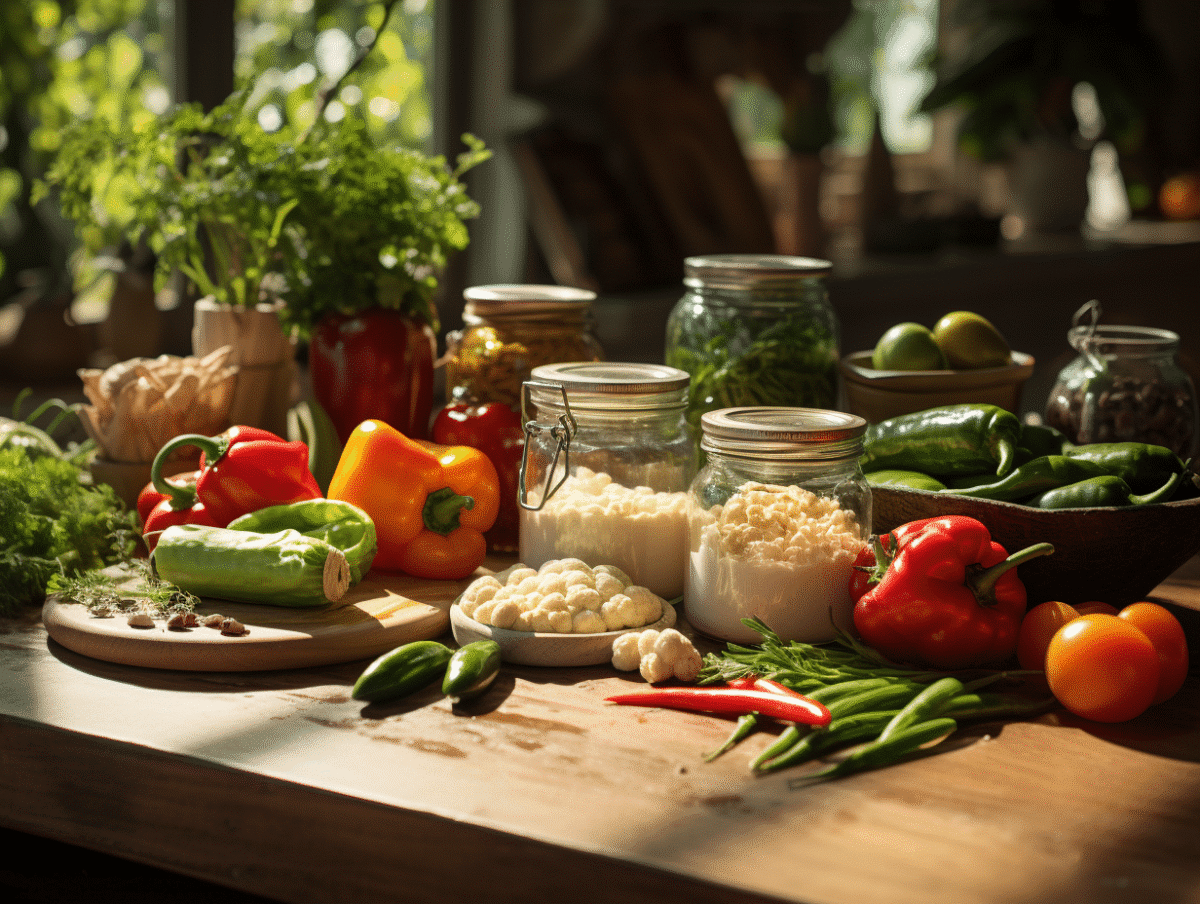
Buying in bulk is another cornerstone of this approach. In addition to reducing packaging, this method allows you to buy only the necessary amount, which helps reduce food waste. Shopping baskets and container recovery, such as glass jars, fit into this logic of reuse and waste reduction.
Managing organic waste through the use of a compost drawer presents a practical and ecological solution. Reusable food covers and washable paper towels are advantageous replacements for their single-use counterparts. To make this practice a reflex, plan menus in advance. This organization allows you to buy only what is necessary, optimize the use of products, and plan the culinary week, in line with the principles of La Petite Casserole: thoughtful, tasty, and responsible cooking.
Techniques and tips for zero waste cooking in everyday life
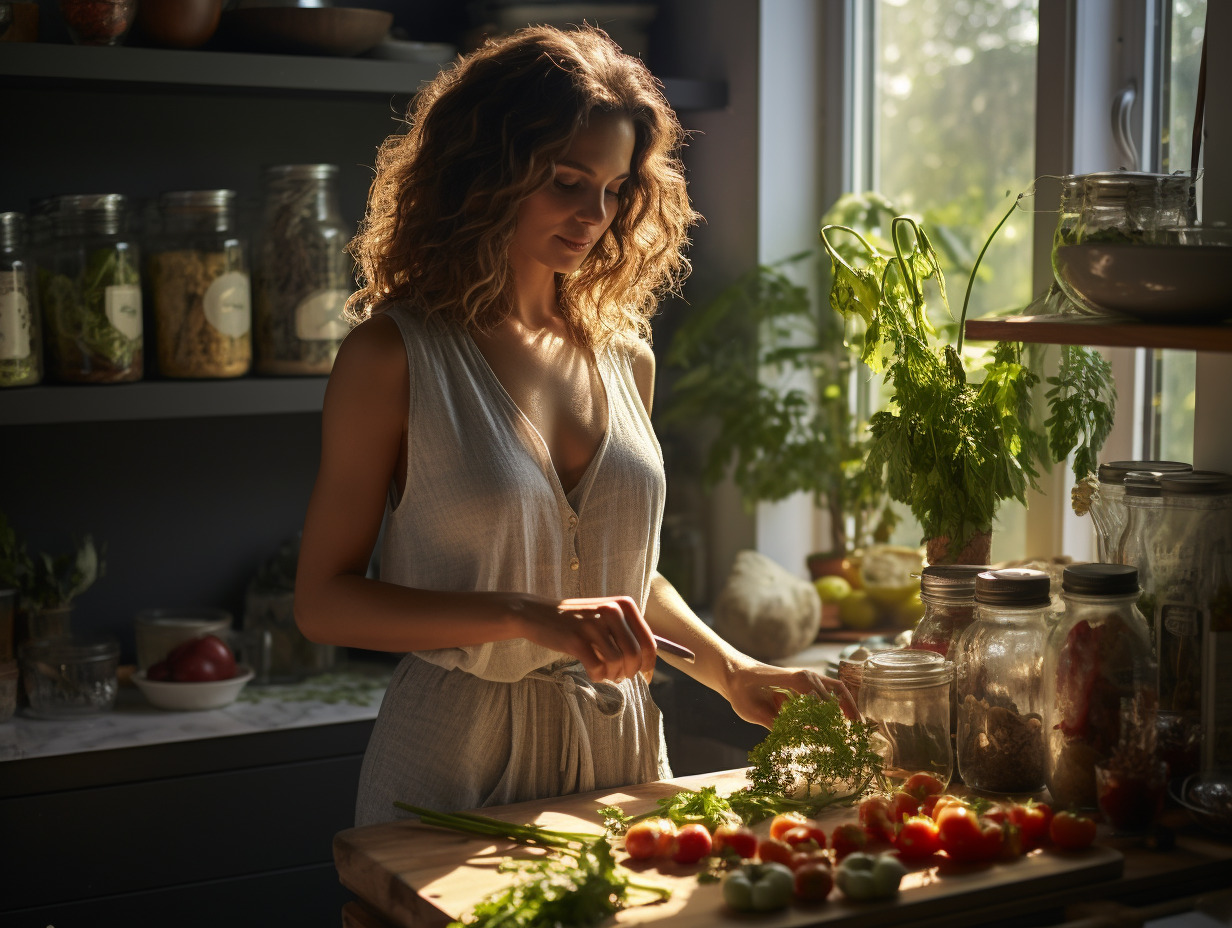
In order to reduce the consumption of prepared meals, savvy cooks are turning to creative and ecological solutions. Preparing menus in advance plays a key role in this process. It not only helps avoid food waste but also alleviates daily stress by ensuring optimal kitchen organization. Consider using shopping baskets and container recovery as simple gestures that facilitate this lifestyle while reinforcing eco-responsible behavior.
Valuing organic waste through a compost drawer transforms leftovers into resources, giving organic matter a second life. The use of washable paper towels and reusable food covers represents a sustainable alternative to disposable products, thus reducing our ecological footprint. These items, due to their ease of use and effectiveness, fit into a pragmatic approach to environmental conservation.
Doing sustainable dishes aligns with this logic of waste reduction. Adopting eco-friendly cleaning products and replacing traditional sponges with biodegradable or reusable alternatives confirms the commitment to a daily routine respectful of our planet. These practices, supported by works such as ‘Peels, 10 ways to use them’ and ‘Peels – chats and recipes’, educate and inspire a zero waste cooking approach, the foundation for a more virtuous future for our environment.