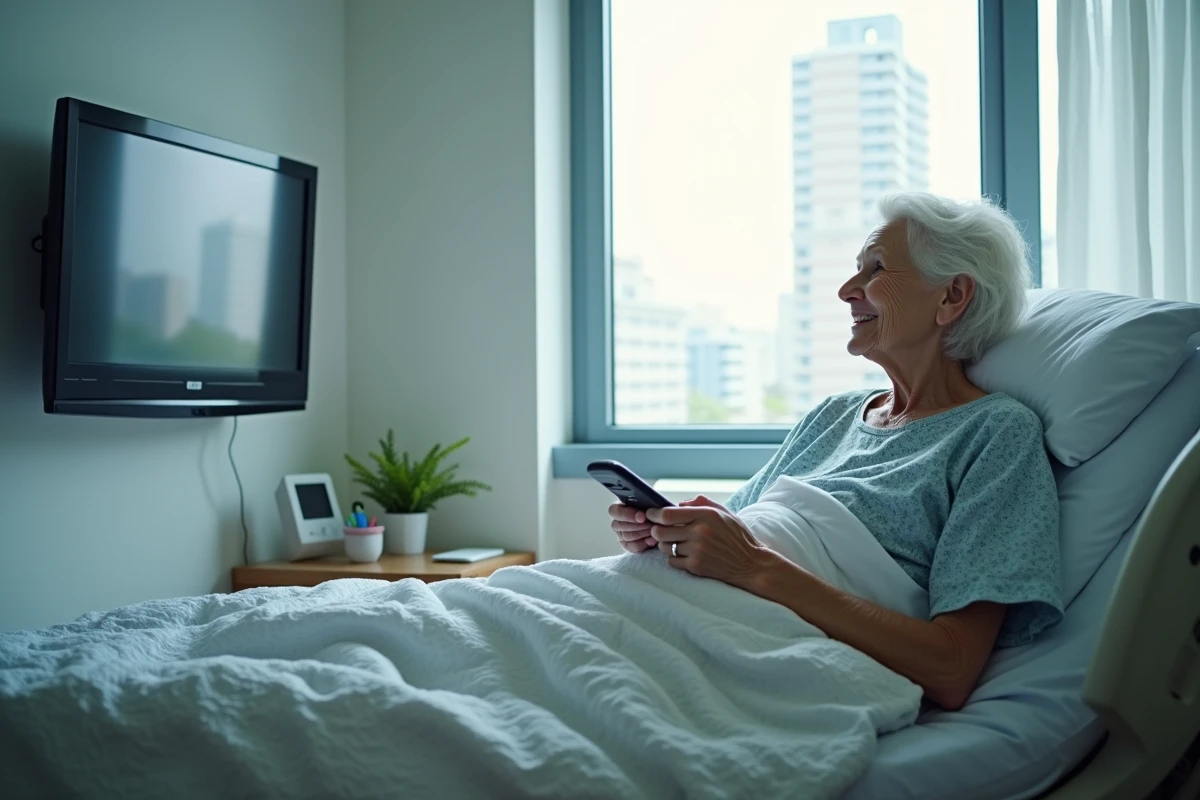
No unnecessary suspense: in many hospitals, simply turning on the television is like starting a euro counter. Free access is far from the norm, and the bill can quickly add up, sometimes from the very first day of hospitalization. However, there are legal tricks and lesser-known solutions to bypass these costs, and clever patients across France are organizing to watch television without adding anything to their bill.
Personal devices, mobile applications, or local agreements sometimes offer unknown alternatives. Several national channels can also be received for free thanks to simple tricks or common digital tools.
Why television remains a valuable companion during hospitalization
The television becomes a familiar presence as soon as the hospital room closes in on the hospitalized patient. Behind the screen, it is not just a succession of images or sounds: television entertainment supports morale, structures the days, and sometimes helps forget the pain or the intensity of treatments. The time suspended between two medical visits is filled with information, movies, fiction, games, or documentaries.
Access to a quality television, with a good picture quality, is not a luxury but a concrete need for connection with the outside world. In pediatric wards, television becomes a soothing tool for children, their parents, and even for hospital staff, who see it as a lever for improving patient well-being. The common room or cafeteria, often equipped with a communal screen, provides a meeting point and encourages exchanges between patients.
Faced with the cost of television Avipay in hospitals, families are looking for alternatives to access programs for free. Some local initiatives sometimes allow for the installation of a personal television, but the procedures can sometimes be complex. The issue of cost regularly comes up in discussions with hospital staff, who are concerned about balancing patient comfort and budget constraints. The challenge of free access to television touches on both dignity and the quality of the hospital stay.
What concrete solutions exist to access television for free in hospitals?
In light of the price of television offered in many establishments, several alternatives are emerging to watch channels for free from one’s hospital room. The first reflex: check for the presence of free wifi in the establishment. In addition to hospitals offering internet access, sometimes it is available upon simple request at the reception desk or through quick authentication. This connection opens the door to multiple possibilities.
The use of a mobile application dedicated to TNT channels allows access, from a smartphone or tablet, to many programs at no additional cost. Some patients opt for an android box or a smart box, easily connectable to the room’s screen, provided that the connections are permitted by the establishment. The internet connection then becomes the gateway to an expanded offer of IPTV channels, accessible via legal applications available for free.
Here are the methods that often come up and facilitate free access to television in hospitals:
- Connecting to a digital antenna when the room has TNT access
- Using a USB key with previously downloaded videos
- Requesting a TV fee exemption for patients benefiting from a reduced hospital package, depending on their situation
The possibility of free television also depends on the hospitals. Some, on an experimental basis or by decision of the board of directors, occasionally activate the free option on the communal screens in the common room or cafeteria. The diversity of solutions, from the installation or use of a personal box to the simple use of a connected smartphone, demonstrates that there are now concrete and accessible alternatives to reconnect with television entertainment without increasing the bill for the stay.
Practical tips and alternatives to enjoy varied content without a subscription
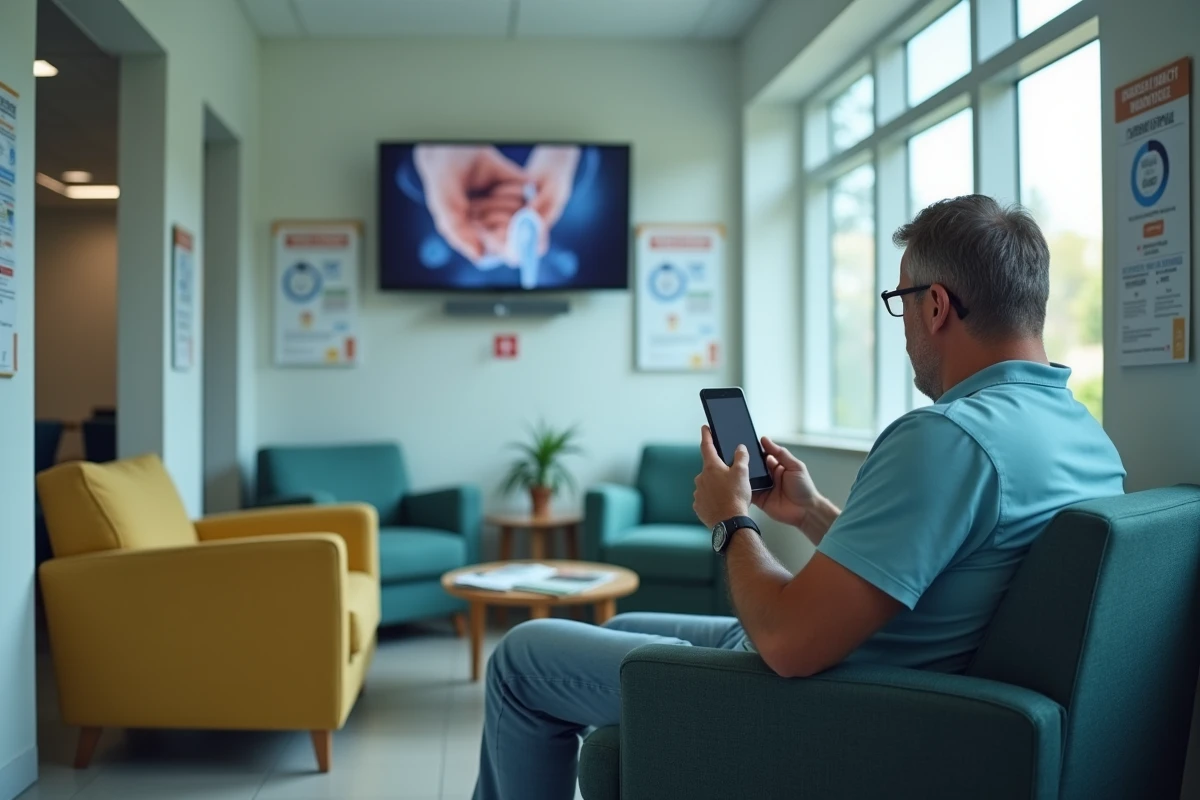
Not having a subscription does not mean giving up on program diversity. Other options exist, often simple to implement and perfectly legal. First, consider testing the internet connection in the hospital: very often, it is enough to request a code or authenticate to access the wifi. Once online, the range of possibilities expands: free platforms, replay, live channels, everything is accessible at your fingertips.
Among the reliable alternatives, these techniques are frequently found:
- Load onto a USB key or USB drive movies, series, documentaries, or sports matches before your hospital admission. Many hospital televisions have a USB port, ideal for watching your favorite programs without a connection.
- Opt for a recognized mobile application that offers national channels live. Be sure to choose applications that comply with French legislation to stay within the law.
- If privacy concerns you, using a VPN is a solution to secure your browsing, especially on shared wifi networks.
Finally, for extended stays, some patients ask their relatives to bring an internet box or a 4G router. This allows for a personal connection, ideal for accessing all streaming content or replay platforms. The rise of new technologies brings a real breath of freedom, from viewing on a connected screen to streaming on a tablet, and gives back some control over the hospital daily life.
In the hushed corridors of the hospital, the television screen sometimes becomes much more than just a distraction: it opens a window, connects everyone to the movement of the world, and breaks the monotony of a closed room. At a time when every minute counts, enjoying this connection to the outside for free is also about regaining control over a moment of freedom.