Since 2023, more than 90% of elderly people express the desire to stay at home for as long as possible, although less than half receive appropriate support to achieve this. Home care today relies on a set of systems that still struggle to cover all needs, including human assistance, specialized equipment, and complex administrative procedures.
Some local solutions, tested in only a few departments, show promising results while others remain largely unknown or underutilized. The gap persists between the available offer and the daily reality of seniors.
What are the main challenges of aging at home in France?
Aging at home in France means dealing with a tangle of difficulties that are rarely anticipated. Isolation hits an increasing number of elderly people hard: the WHO estimates that one-third of them experience a fall each year, often in heavy silence. The social connection frays, as losing this thread accelerates dependence and undermines mental balance. Caregivers, those close relatives who hold the reins, face exhaustion and administrative complexity, sometimes without knowing that they can claim assistance, leave, or specific training, which are still too poorly disseminated.
The issue of chronic diseases is also pressing. Hypertension, diabetes, arthritis, or incontinence—this last one, more common among women, remains shrouded in embarrassment even though it profoundly affects daily life. Public Health France states that sustained medical follow-up significantly reduces the risk of complications, but depending on where one lives, accessing these services can sometimes be a Herculean task. Healthcare professionals must juggle resource shortages and the diversity of situations, adjusting their interventions on a case-by-case basis.
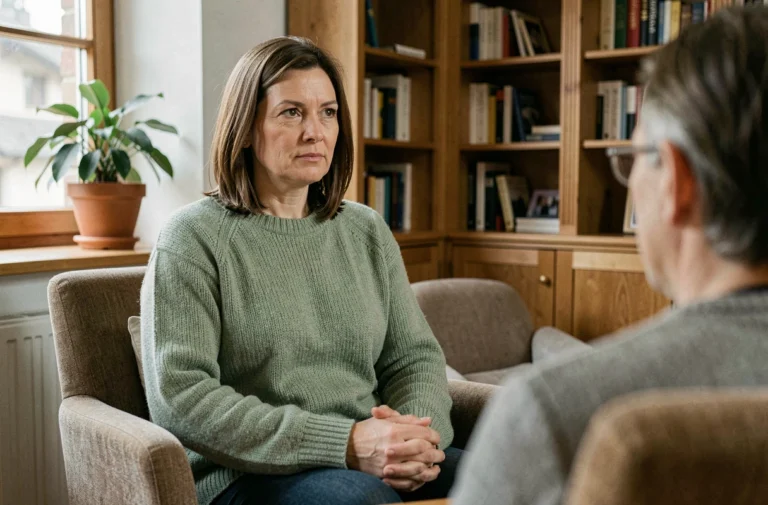
The family circle and close friends play a decisive role in breaking isolation. By keeping in touch, organizing visits, or encouraging participation in local life, one can prevent loneliness from taking root. Initiatives like Monalisa prove that action is possible, provided families are informed and efforts are better coordinated. The page https://avantage-seniors.fr/ (Avantage Seniors – Advice for Seniors) offers an updated overview of solutions and possible daily support.
These intertwined issues require shared vigilance and constant evolution of systems to guarantee every senior the right to stay at home, safely, with genuine autonomy and the respect owed to each individual.
Concrete solutions for a safer and more comfortable daily life
Improving the lives of seniors starts with well-organized and complementary home care services. SAAD and SSIAD provide daily support: assistance with bathing, dressing, shopping, meals, and household maintenance. Their intervention is tailored to real needs, taking into account each person’s situation. Meal delivery, for its part, ensures daily access to appropriate nutrition, limiting the risk of malnutrition, a danger often overlooked in the elderly.
For safety, teleassistance proves to be concretely effective: a simple device, worn on the wrist or neck, connects the person instantly to a platform ready to intervene at any hour. Fall, malaise, need for help: the response is immediate. As for equipment like adult protective gear, walkers, wheelchairs, canes, or electric scooters, they enhance autonomy and facilitate all movements.
On the budget side, several systems exist to lighten expenses. The APA covers part of the costs related to home care for people losing autonomy. The CESU simplifies payment for home services. Pension funds also support access to certain services or housing adaptations. The CCAS and CLIC, present locally, guide, support, and assist with procedures, taking each profile into account.
Digital tools have also found their place: connected photo frames, tablets… These solutions maintain social connections from a distance, allowing contact with family, exchanges, and seeing faces. The choice of assistance should always be based on a precise assessment of needs, with close coordination between professionals, families, and institutions. Only under these conditions can daily life at home gain in comfort and peace of mind.
Practical tips for preserving autonomy and well-being day after day
Preserving the autonomy of an elderly person requires attentiveness and adjustments to habits over time. A rich and regular social life slows the loss of autonomy and supports mental health. Maintaining dialogue with family, friends, and neighbors reduces withdrawal. Video calls, via tablet or connected photo frames, provide a presence even from a distance.
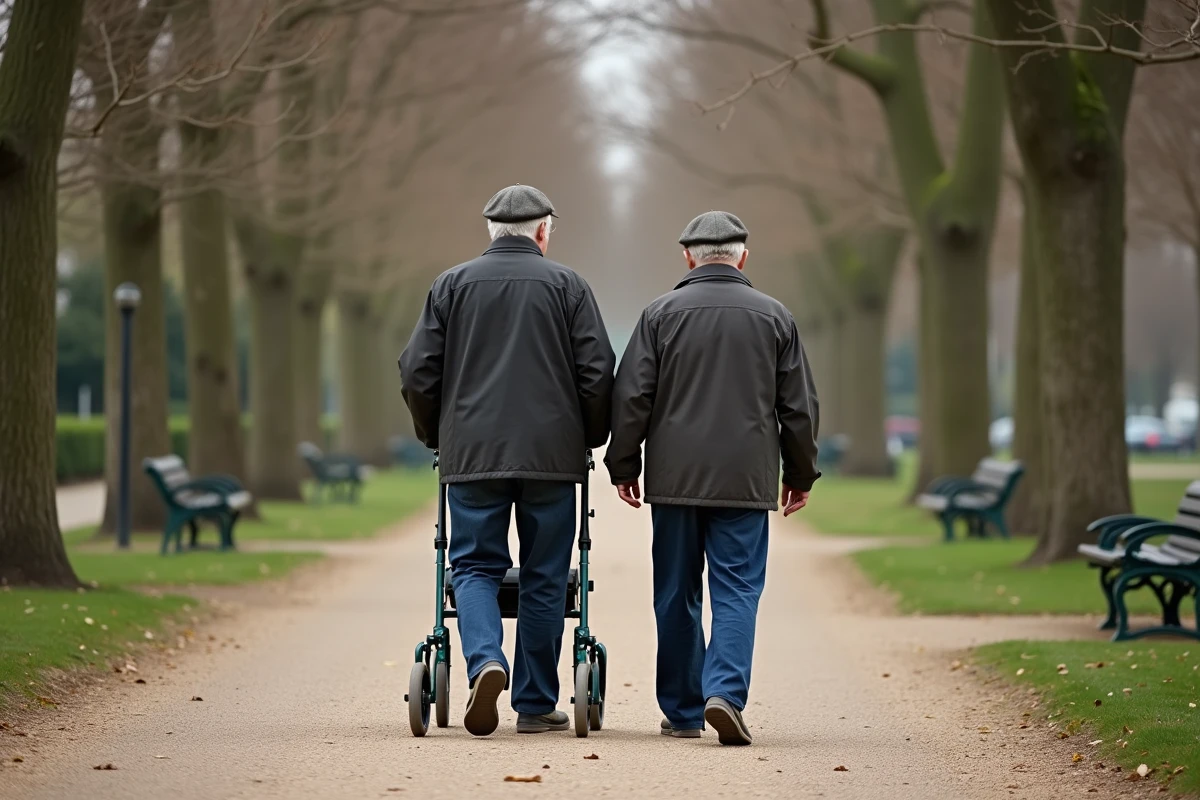
Physically, regular activity remains the best ally. Some adapted exercises, validated by a healthcare professional, maintain mobility and limit the risk of falls, a significant issue, as the WHO mentions one-third of seniors affected each year. Prioritizing walking, light muscle strengthening, and balance exercises, while securing the home environment: grab bars, non-slip mats, and proper lighting in passage areas all matter.
A thoughtful diet also makes a difference. A nutritionist can propose personalized menus tailored to individual needs to prevent malnutrition and maintain vitality. Focusing on fresh products, increasing protein intake, and ensuring adequate hydration: this is the foundation. Meal delivery services prove invaluable for the most vulnerable individuals.
Here are recommendations to integrate into daily life for successful home care:
- Consult a healthcare professional to adjust care and ensure tailored medical follow-up; Public Health France indicates that such regularity significantly reduces complications from chronic diseases.
- Involve family caregivers in organizing the day, relying on available support and training systems.
Aging at home is possible, provided vigilance, mutual aid, and tailored solutions are combined. It is a collective challenge, but also a bet on the dignity and freedom of each individual, at every stage of old age.