The women’s fashion for the spring-summer 2026 season is no longer built solely on the runways of Milan or Paris. Micro-aesthetics born on social media, from “quiet luxury” to “poetcore,” are redefining the cycles of trend adoption long before collections hit stores. The Pinterest Predicts report confirmed this acceleration by identifying trends like “Eclectic Grandpa” among the rapidly growing searches, which were later picked up by mainstream retailers.
Textile Traceability and the End of Greenwashing: What is Changing in Women’s Collections
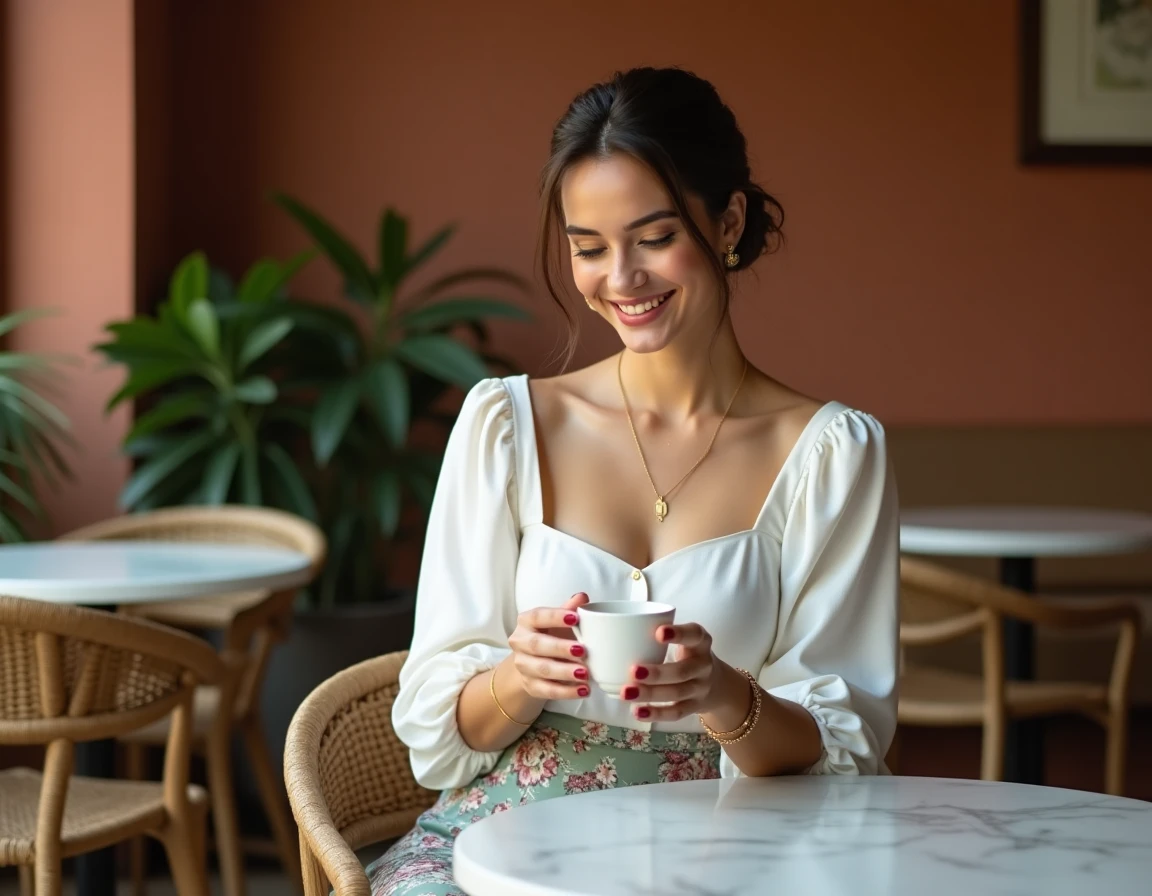
Even before discussing cuts or colors, a structural factor is changing how brands present their seasonal pieces. The tightening of European regulations on ecological claims, coupled with the upcoming digital product passport, is forcing retailers to rethink their communication.
Vague mentions like “eco-friendly” or “conscious collection” are losing their regulatory credibility. Brands that want to remain compliant are now focusing on traceability and repairability rather than self-awarded labels. This constraint has a concrete effect on trends: traceable natural materials (European linen, certified cotton) are gaining ground in seasonal selections, at the expense of certain synthetics that are hard to document.
For buyers, this means gradual access to manufacturing information directly on the label or via a QR code. Field reports vary on this point: some consumers systematically check this data, while others ignore it. The impact on clothing choices remains uneven, but the offerings provided by brands are already changing.
Flowy Long Dress and Wide Pants: Two Silhouettes Dominating the Season
Among the pieces that structure the women’s wardrobe this season, the flowy long dress occupies a central place. Worn on the runways of Loewe, Miu Miu, or Saint Laurent, it reflects the influence of the poetcore movement: soft lines, lightweight materials, lengths below the knee or at the ankle. The favored shades range from butter yellow to bright coral and deep red, colors that can be found on fashionova.fr as well as at most online retailers.
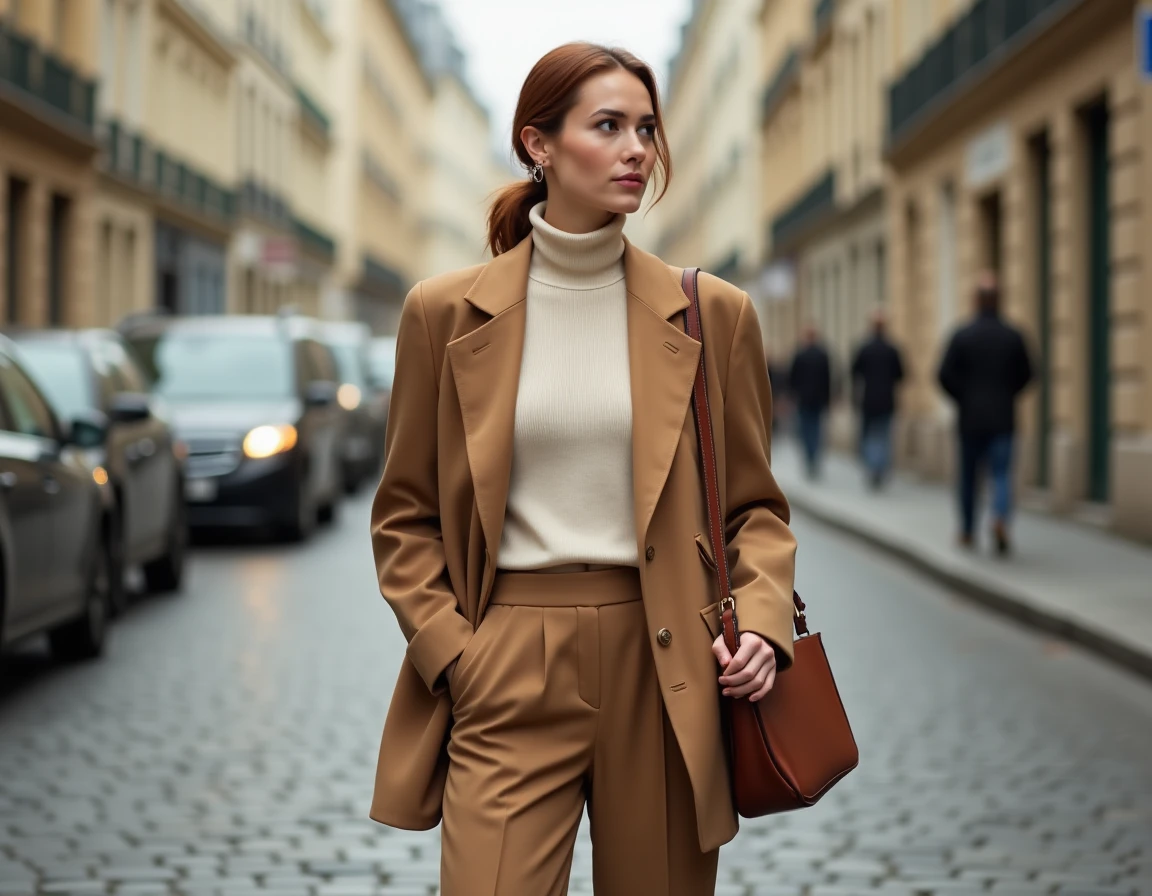
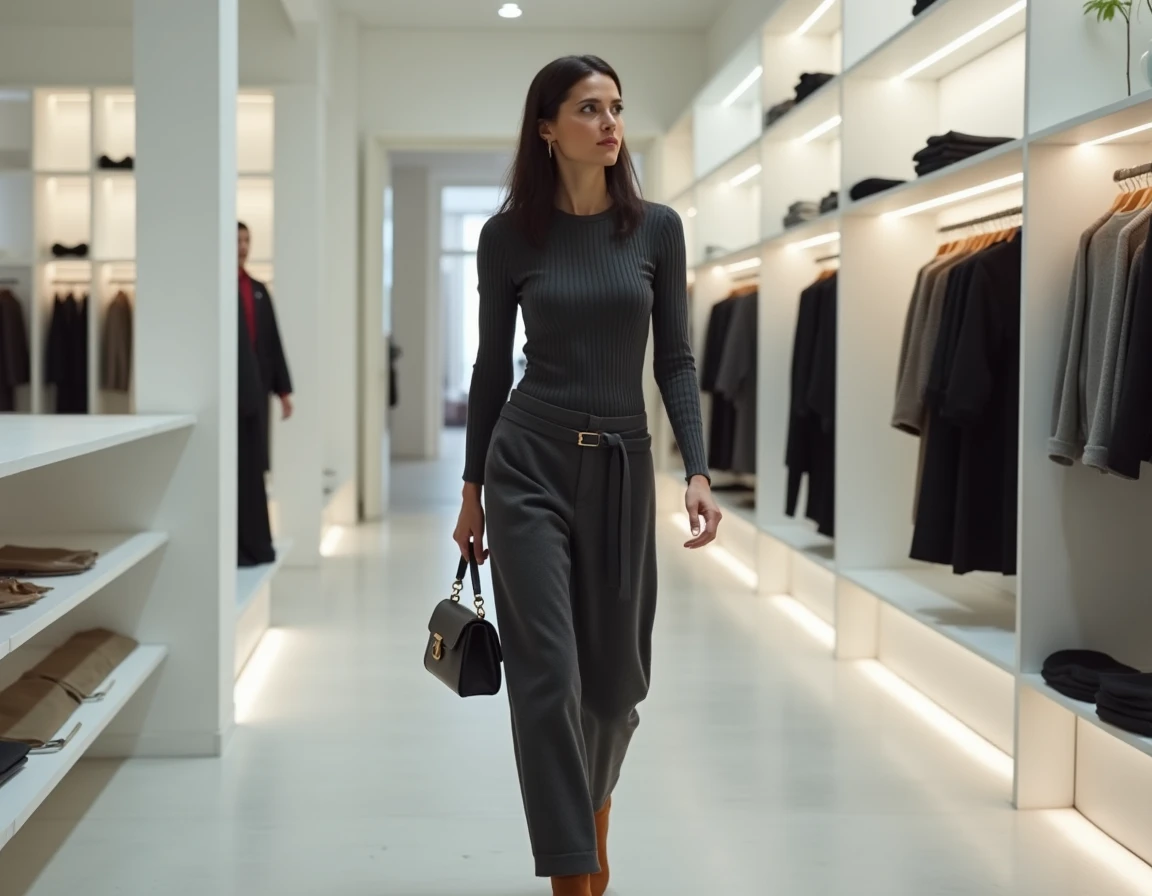
The structured wide pants represent the other key silhouette. Its cut offers an alternative to slim jeans without sacrificing a polished look. Paired with a thin belt, it redefines the waist without constraining. Versions in linen or thick cotton can be worn both at the office and outdoors, which explains their massive presence in mid-season capsule collections.
These two pieces share a common point: they work as a complete look with minimal accessories. A structured bag, flat shoes, and the outfit stands on its own.
Spring-Summer 2026 Fashion Colors: Intensity vs. Neutrality
The season’s palette is divided into two camps. The first focuses on saturated colors, inherited from the autumn runways that already announced a return of butter yellow, bright coral, and deep red. The second remains anchored in neutral shades, extending the “quiet luxury” trend where beige, gray, and brown (following the Mocha Mousse named color of the year by Pantone) dominate wardrobes.
Butter yellow is the most sought-after color on fashion platforms this season. Its uniqueness: it can be worn as a total look or as a single touch on a neutral outfit, making it accessible to very different styles.
On the other hand, shades of green (olive, moss, emerald) and purple (lilac, lavender) occupy a more specific range. They work better on high-volume pieces, like a statement skirt or a short colored jacket, where the color becomes the focal point of the outfit.
- Butter yellow and coral for knitwear or lightweight dresses that capture natural light without appearing garish
- Mocha Mousse, beige, and gray for the basics of the wardrobe (pants, trench coats, shirts), easy to mix and match
- Olive green and lilac reserved for accent pieces: structured jacket, midi skirt, visible accessory
Micro-Aesthetics and Social Media: How Trends Form in 2026
The mechanism of trend diffusion in fashion has shifted gears. A hashtag like “mob wife” or “tomato girl” can propel a style in just a few weeks, where traditional runway cycles took months to influence purchases. Retailers are adapting their restocks based on these signals, sometimes even before the item in question has been shown on a runway.
Resale platforms amplify this phenomenon. Resale data guides brands’ capsule collections, which monitor the most exchanged categories on Vestiaire Collective or Vinted to calibrate their upcoming selections. A rise in the resale of “quiet luxury” bags signals saturation, while an increase in low-rise jeans indicates a potential for restocking.
This system has a limit: the lifespan of micro-aesthetics remains difficult to predict. Some disappear in less than a season, while others establish themselves permanently in wardrobes. The available data does not allow for predicting which will last beyond the summer.
Adopting a Seasonal Style Without Following Every Micro-Trend
The most reliable strategy is to invest in pieces that transcend multiple cycles: wide pants, flowy dresses, short trench coats. These fashion basics absorb variations in colors and patterns without becoming obsolete.
- Choose one or two strong colors of the season (butter yellow, olive green) in accessories or as a standout piece, rather than in a fleeting total look
- Prioritize traceable and sustainable materials that withstand the following seasons both regulatory-wise and aesthetically
- Consult search data (Pinterest Predicts, resale trends) to distinguish a passing micro-aesthetic from a fundamental movement
A wardrobe built on three to four well-chosen pieces lasts longer than a closet completely renewed each season. The women’s trends of 2026 facilitate this choice: the silhouettes are versatile, the palettes combine well, and the materials gain in transparency. The fashion of this season lends itself as much to thoughtful purchasing as to occasional experimentation.